Yellow May and the Last Cast
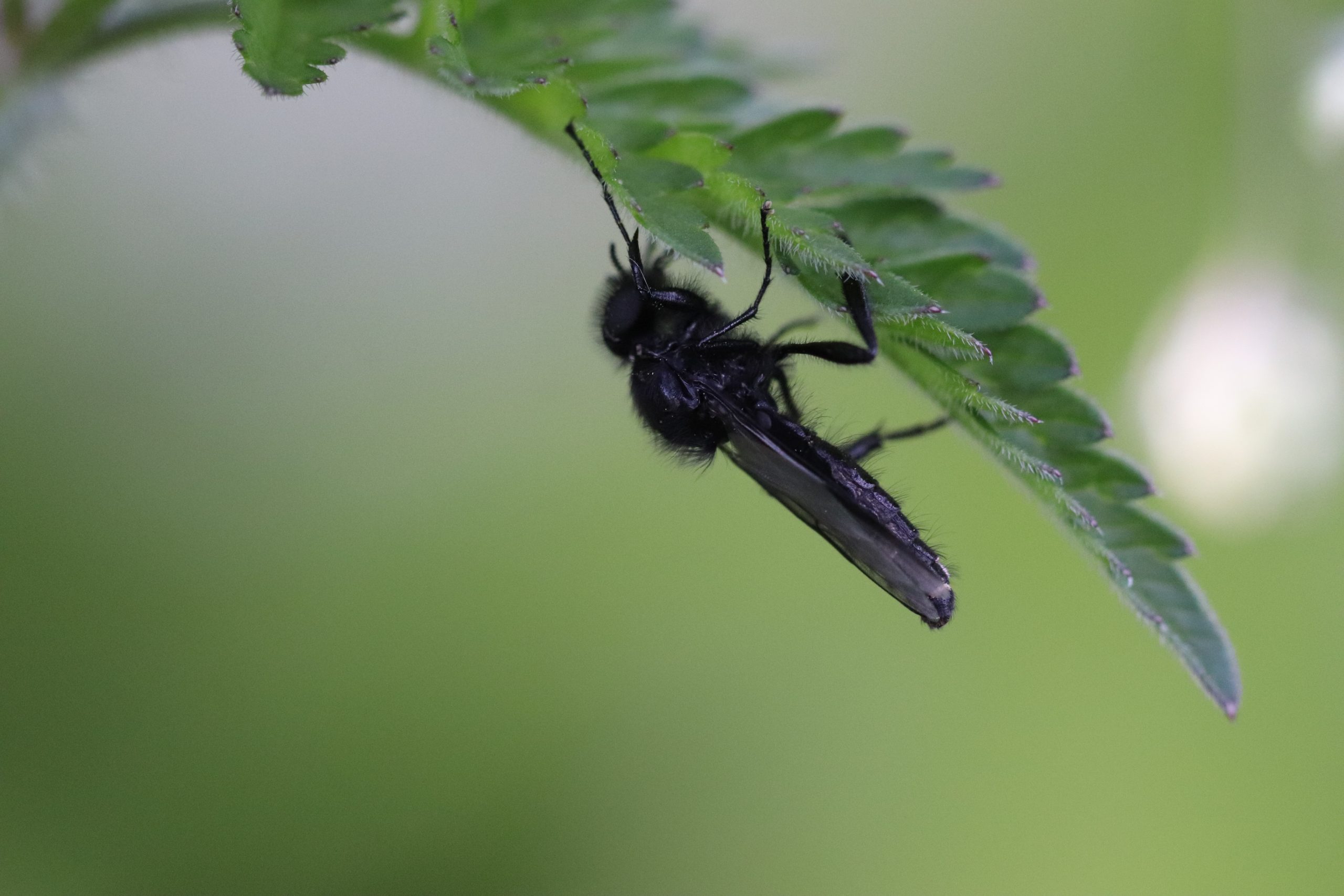
Michael Olesen’s Yellow May and the Last Cast I usually associate Yellow May with spring and as a kind of prelude to the mayfly season,
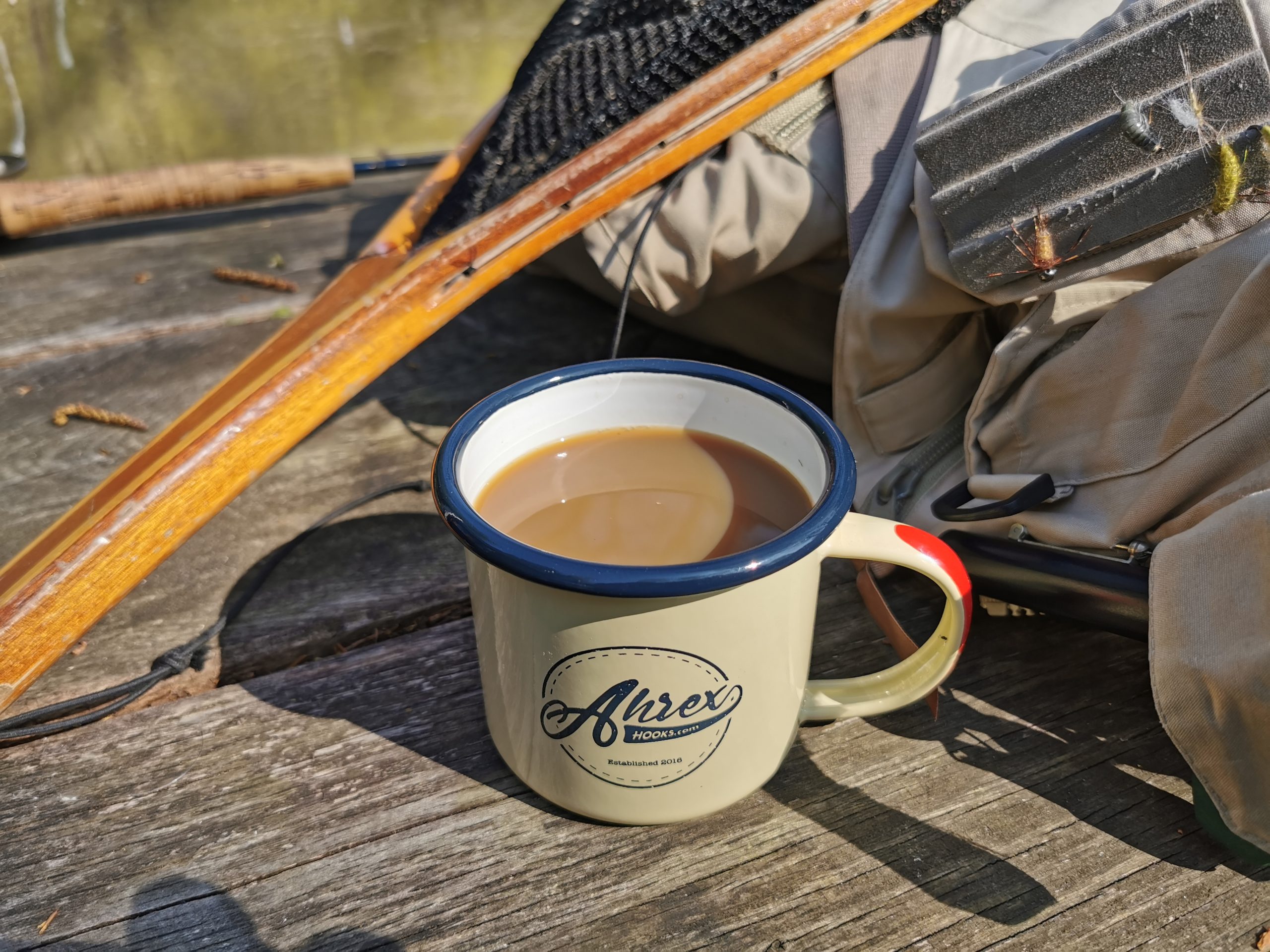
April 2nd. The gear was packed, and I went to the river. It was the first trip of for the year, with freshly tied dry flies and nymphs from the winters fly tying. It was my season premiere, the taste of my coffee seemed extra good, and the sun pleasantly warmed up my pale cheeks when it peeked out. There wasn’t much fishing, but the first day out is always something special. Like a reunion with an old friend, and a bit like being born again.
April 2nd. The gear was packed, and I went to the river. It was the first trip of the year, with freshly tied dry flies and nymphs from the winters fly tying. It was my season premiere, the taste of my coffee seemed extra good, and the sun pleasantly warmed up my pale cheeks when it peeked out. There wasn’t much fishing, but the first day out is always something special. Like a reunion with an old friend, and a bit like being born again.
The Rhodani hatches gradually became a bit more reliable as April progressed. There were quite a few stoneflies, and on some days incredible numbers of hawthorn flies as well. The surface activity, and thus the conditions for dry fly fishing, were really good, and the first nice trout were outsmarted.
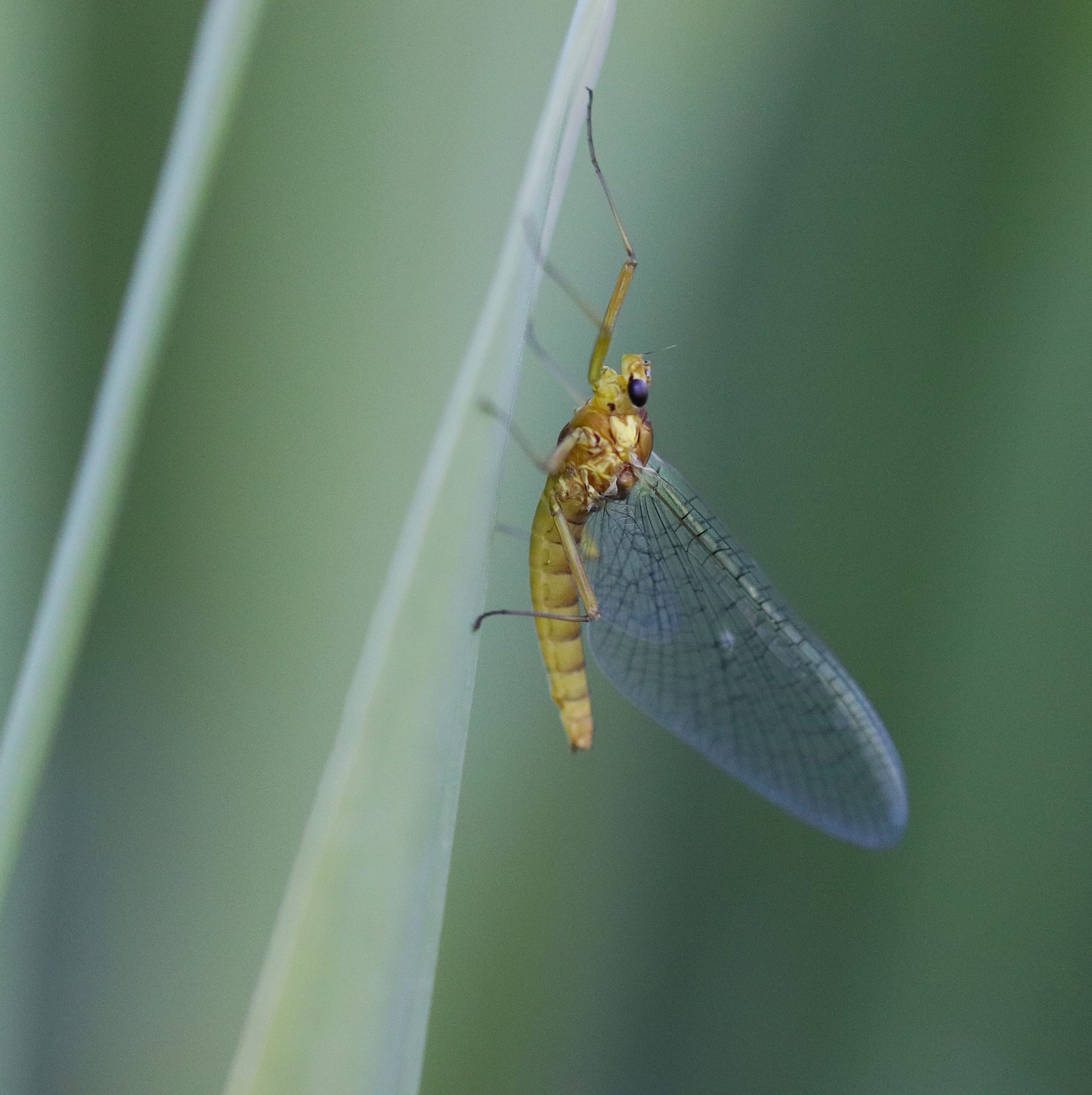
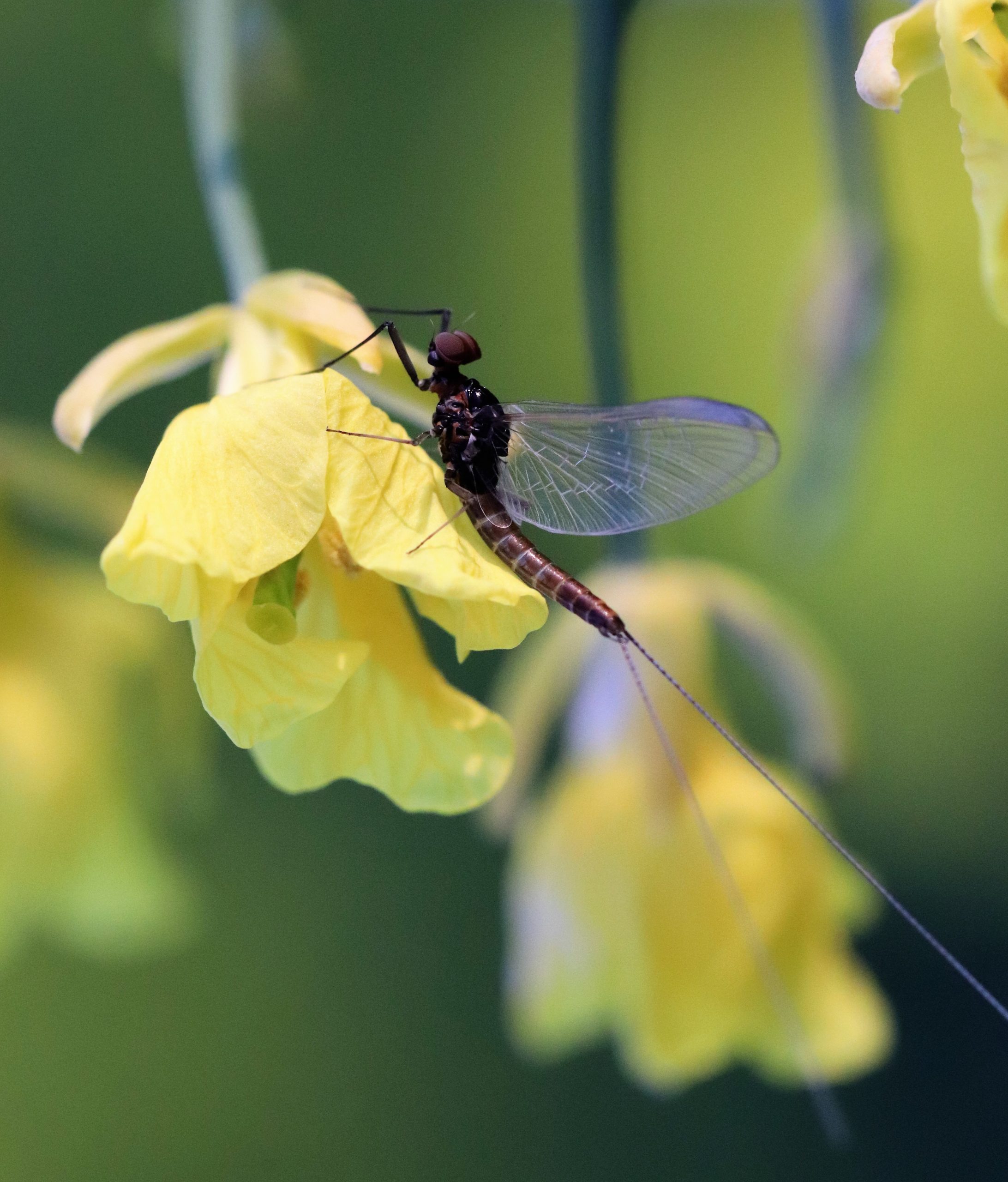
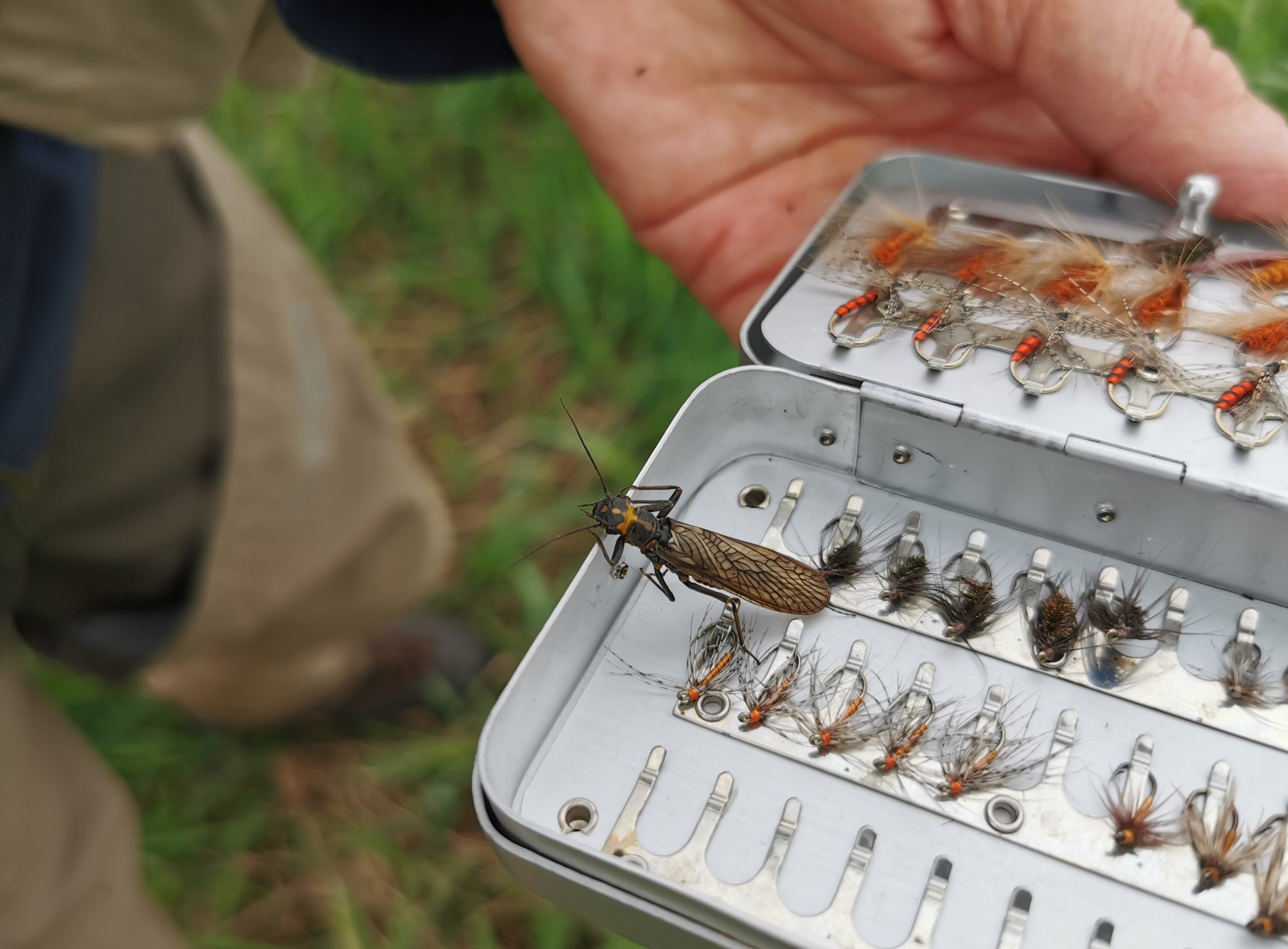
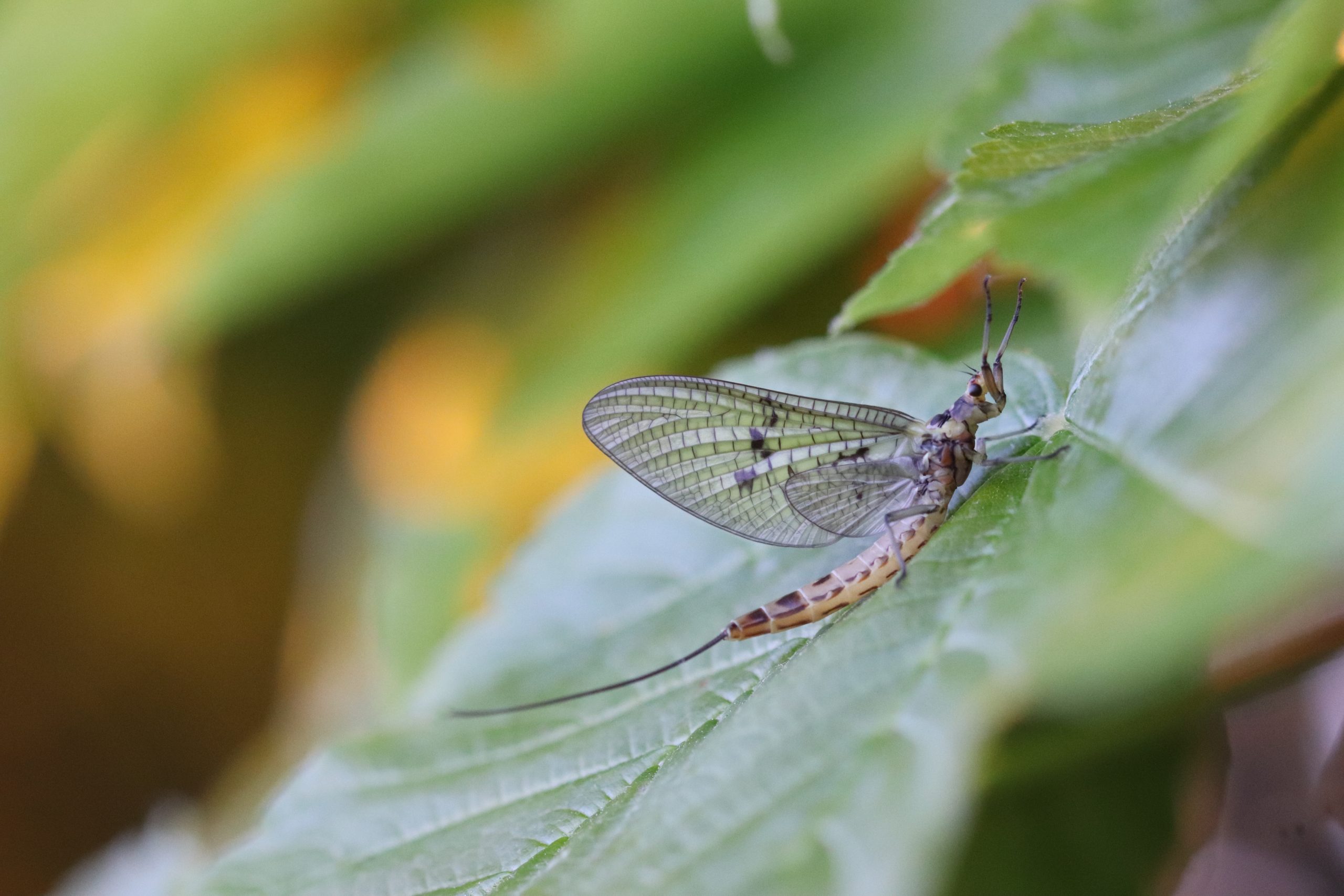
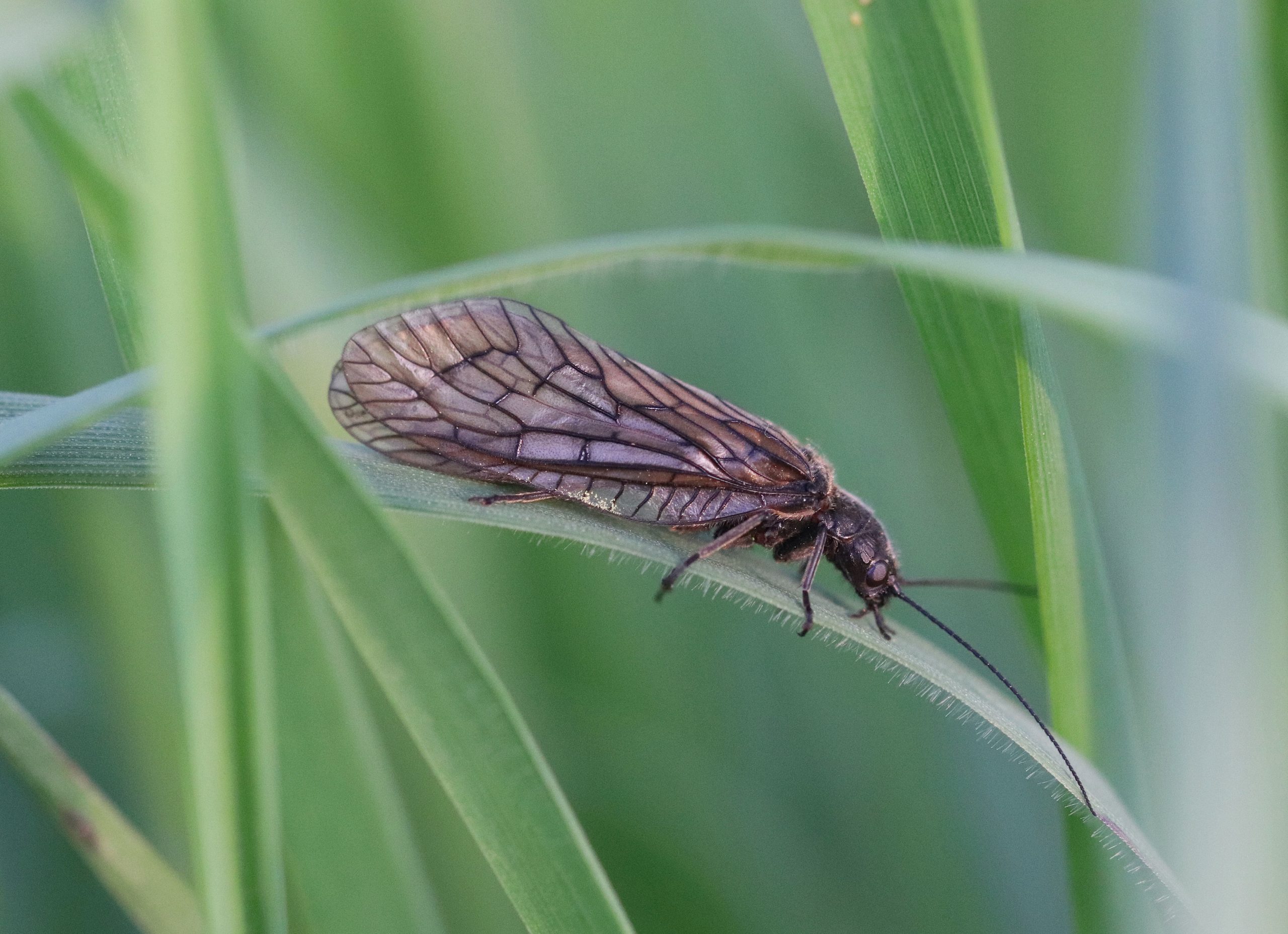
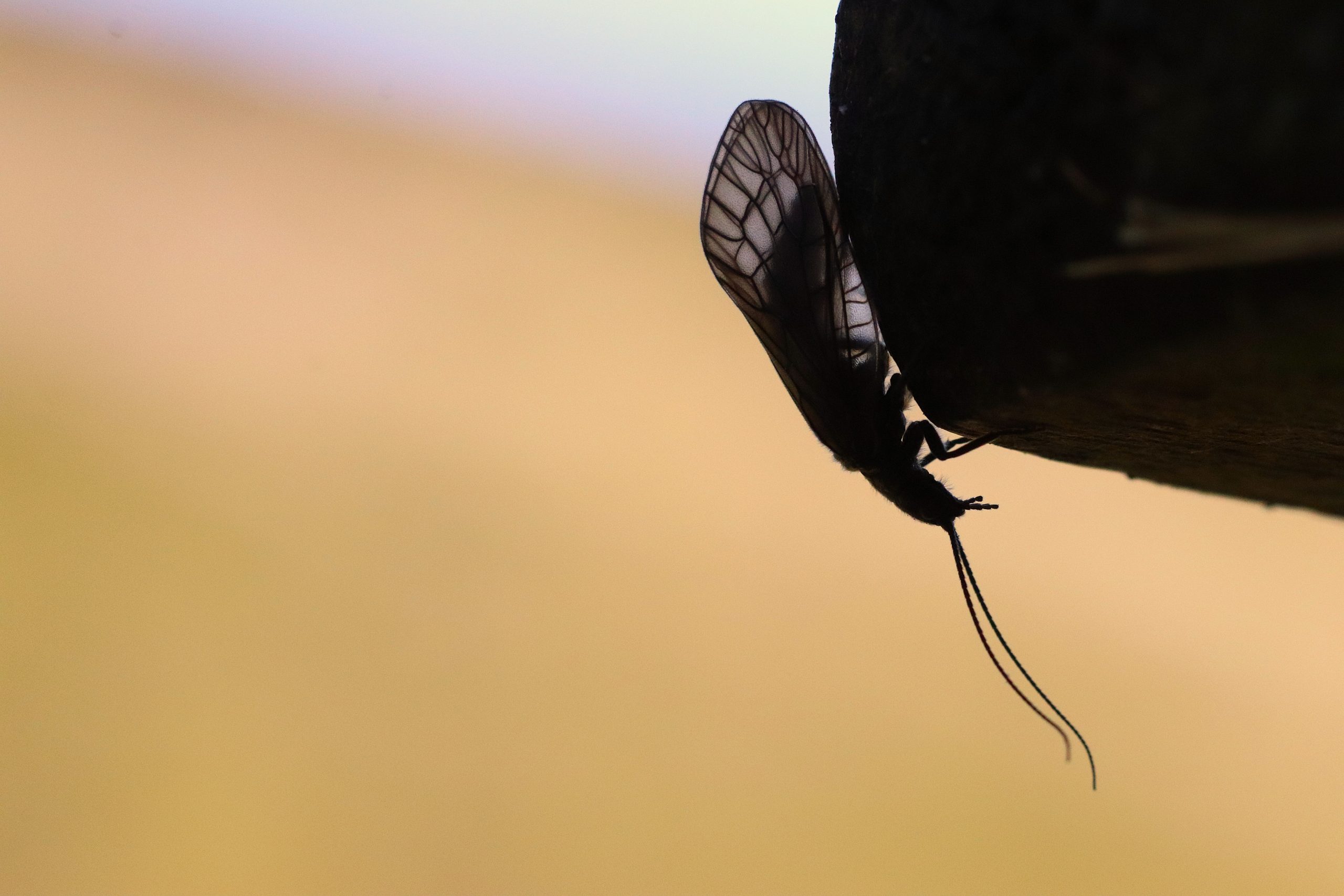
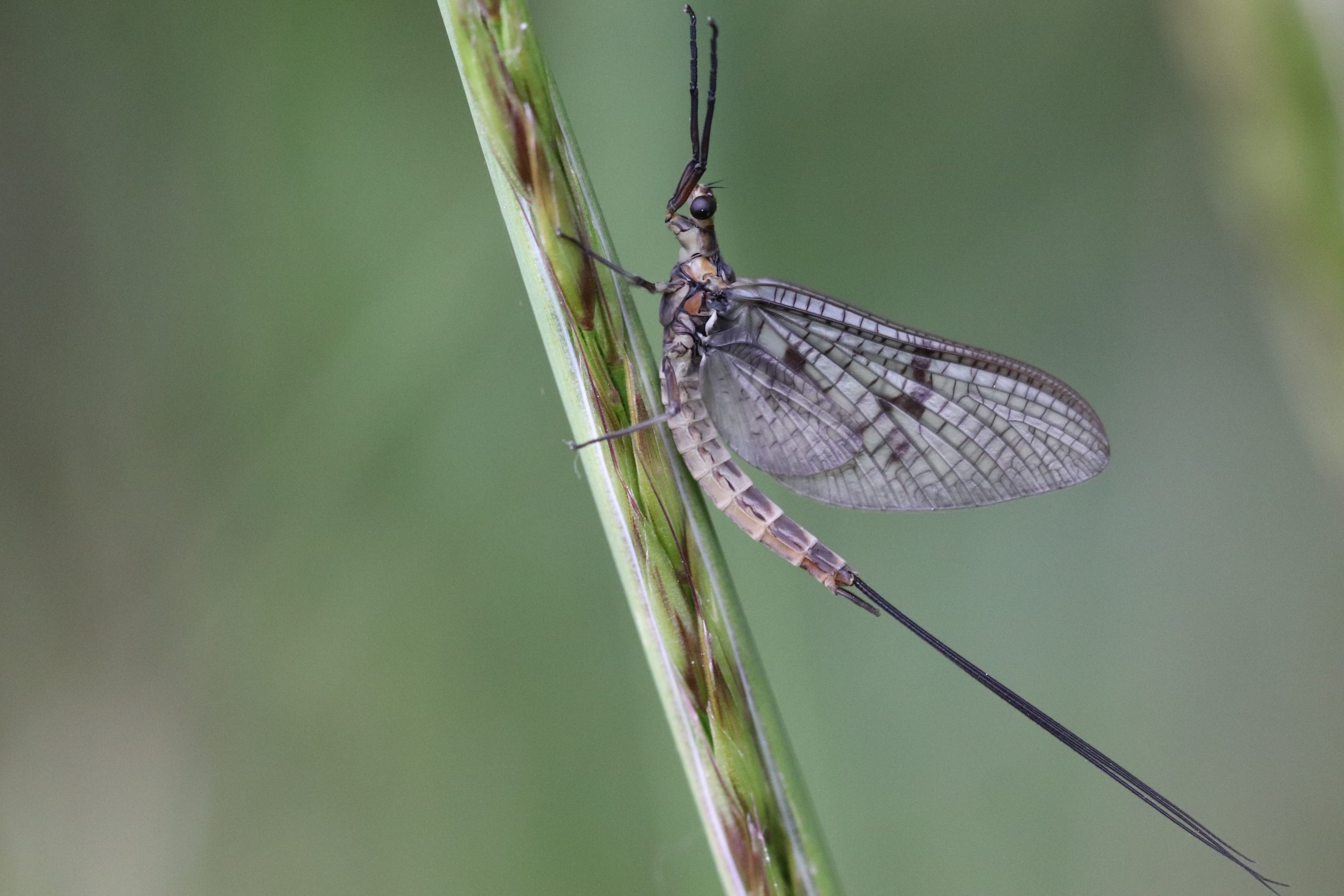
From the last days of April to mid-May, a lot changed at the river, both in terms of insect life and fishing. I was really excited about the variety and quantity of insects , with plenty of opportunities to match the insect life with almost everything I had in my fly box. There were many alder flies, which are best imitated in their larval stage, but occasionally they were also taken as winged insects. Some days, there were a lot of small Spur-wings, turning the fishing into pure magic grayling-fun. However, it was the Rhodani, with its rather good size, that usually played the leading role in the first week of May, provided there were enough of them. The Rhodani hatches are usually quite short, but can, in return, be quite intense, and such an experience I had on May 7th. There was already a sign from the fishing gods early in the afternoon in the form of two Danica duns, one of which I fished up with my net, to have a closer look at the beauty . I always spot the first dun of the year at exactly this bend, about a week before the real Mayfly action begins. Nature has its rhythm and patterns, which in my oppinion are worth noticing.
Briefly about “The Feather Mechanic II: Beyond the Pattern”
A look into the feature of the Luna Mayfly in Gordon van der Spuy’s new book. What Michael’s thoughts were going into this, and places on the web where the book can be bought will also be mentioned here.
See more from Gordon van der Spuy on his socials and website.
You can find a copy of “The Feather Mechanic II: Beyond the Pattern” on www.themissionflymag.com
Explore flytying from my vise at different levels of difficulty and learn ways to make them with easy step by step guides and simple illustrations. Explore a variety of flies and a passion for fly tying.
A little later, a bit further downstream, there was a beautiful Rhodani hatch, mixed with a jumble of small crane flies, stoneflies, alder flies, and more. And right in the middle of all the splendor, there was a beautiful trout, helping itself to the feast. I presented a classic parachute Rhodani size 14, to the fish, which it kindly accepted after a couple of casts. It was an incredibly strong fish, which I lost under one of the banks, and it ran off with both the fly and the tippet. Oh, that stung a bit. It was the first big fish of the year. But as I mentioned earlier, there had been a sign from the fishing gods: two Danica duns. Guess I`m a bit superstitious
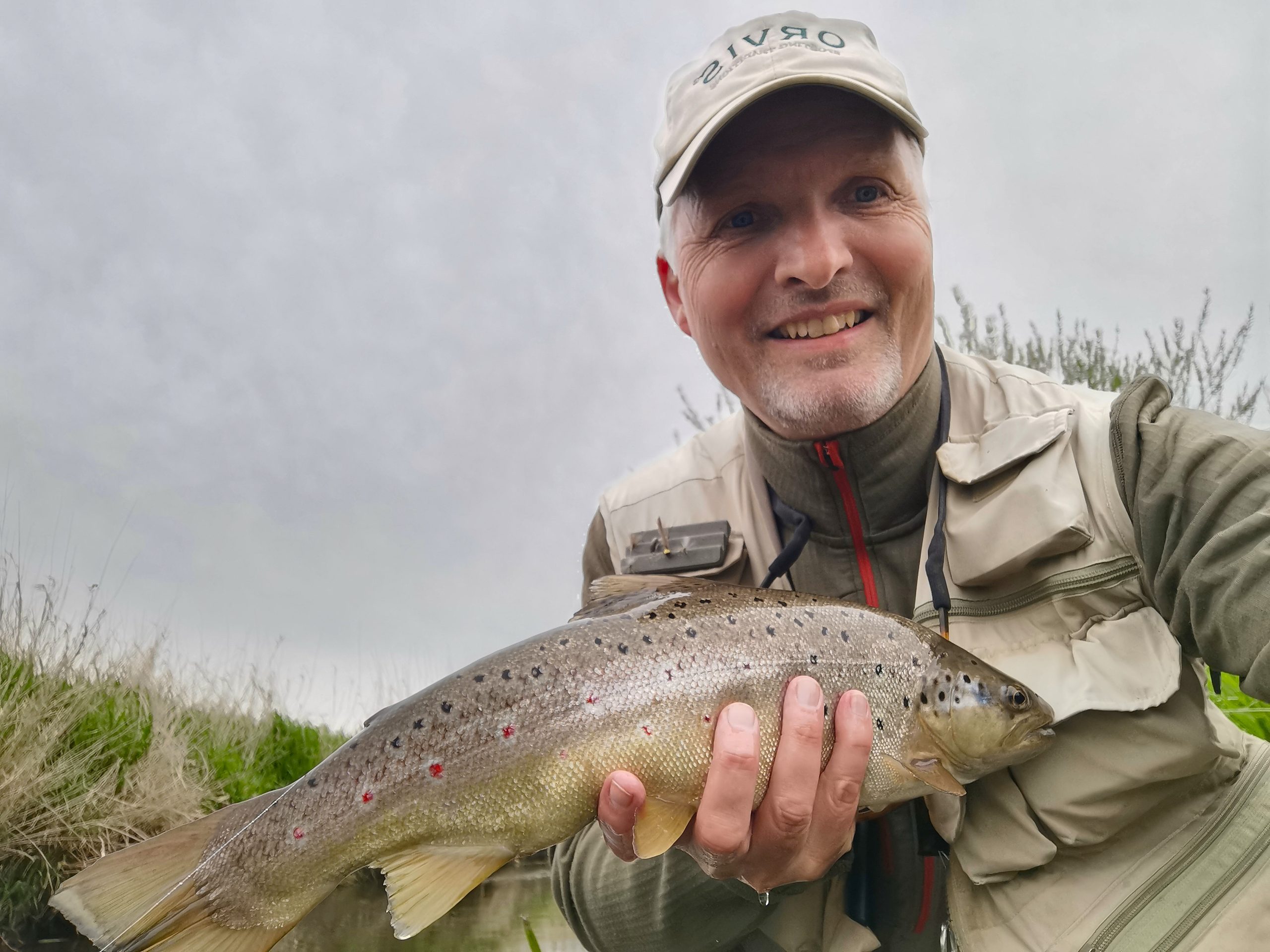
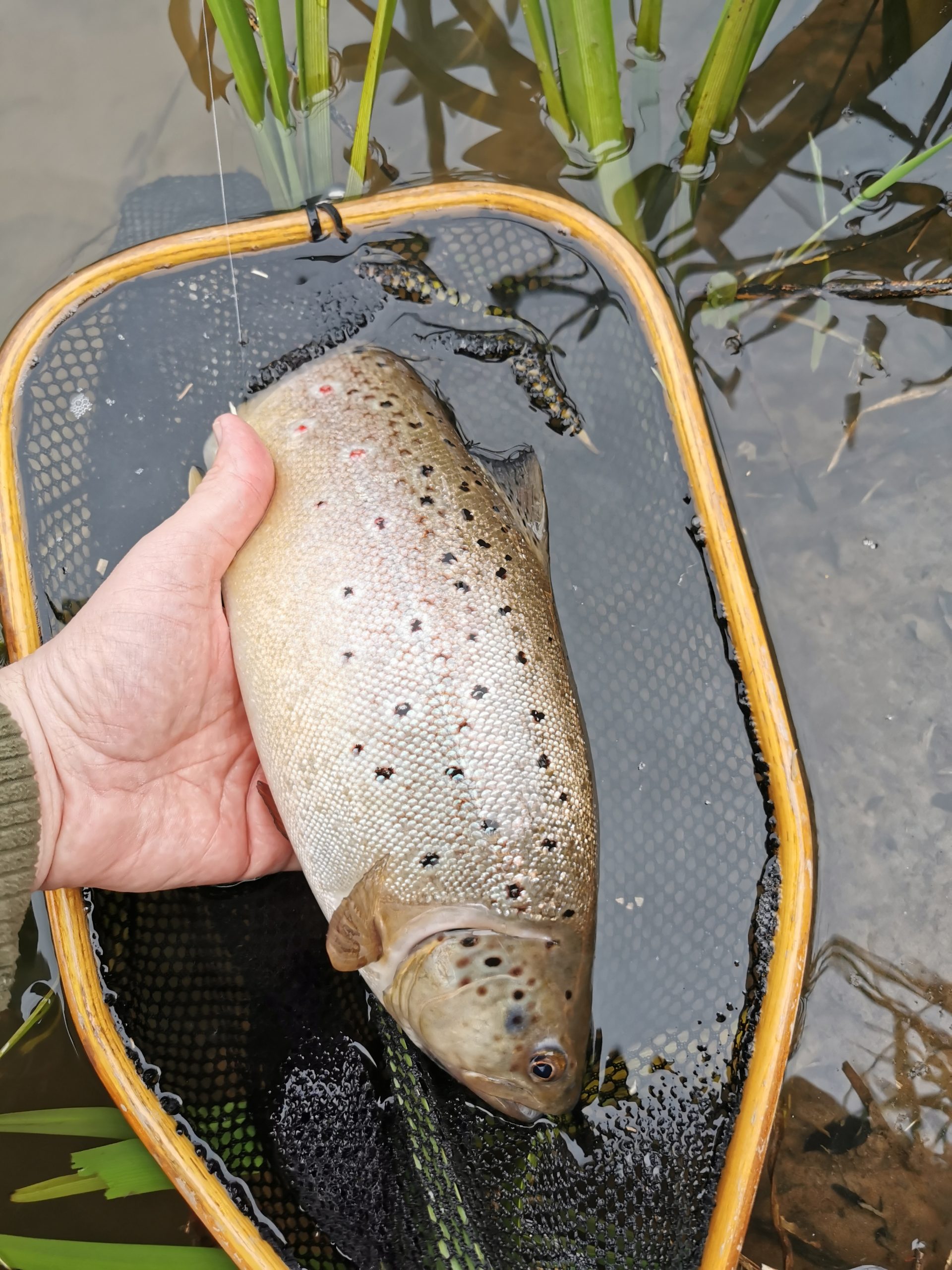
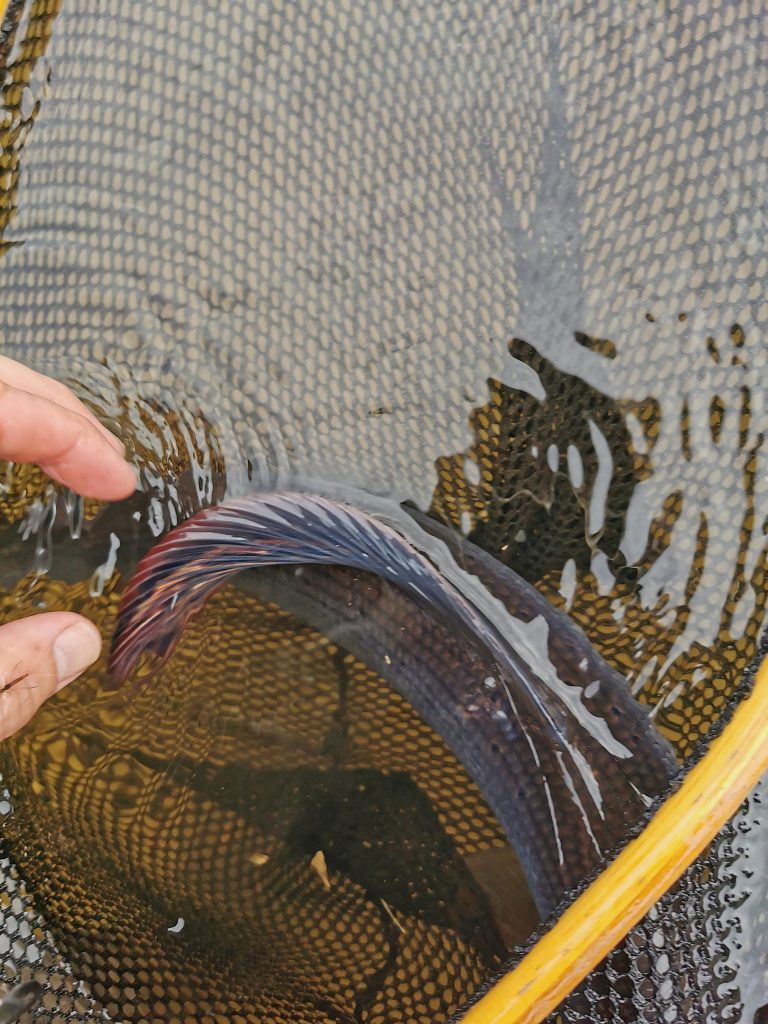
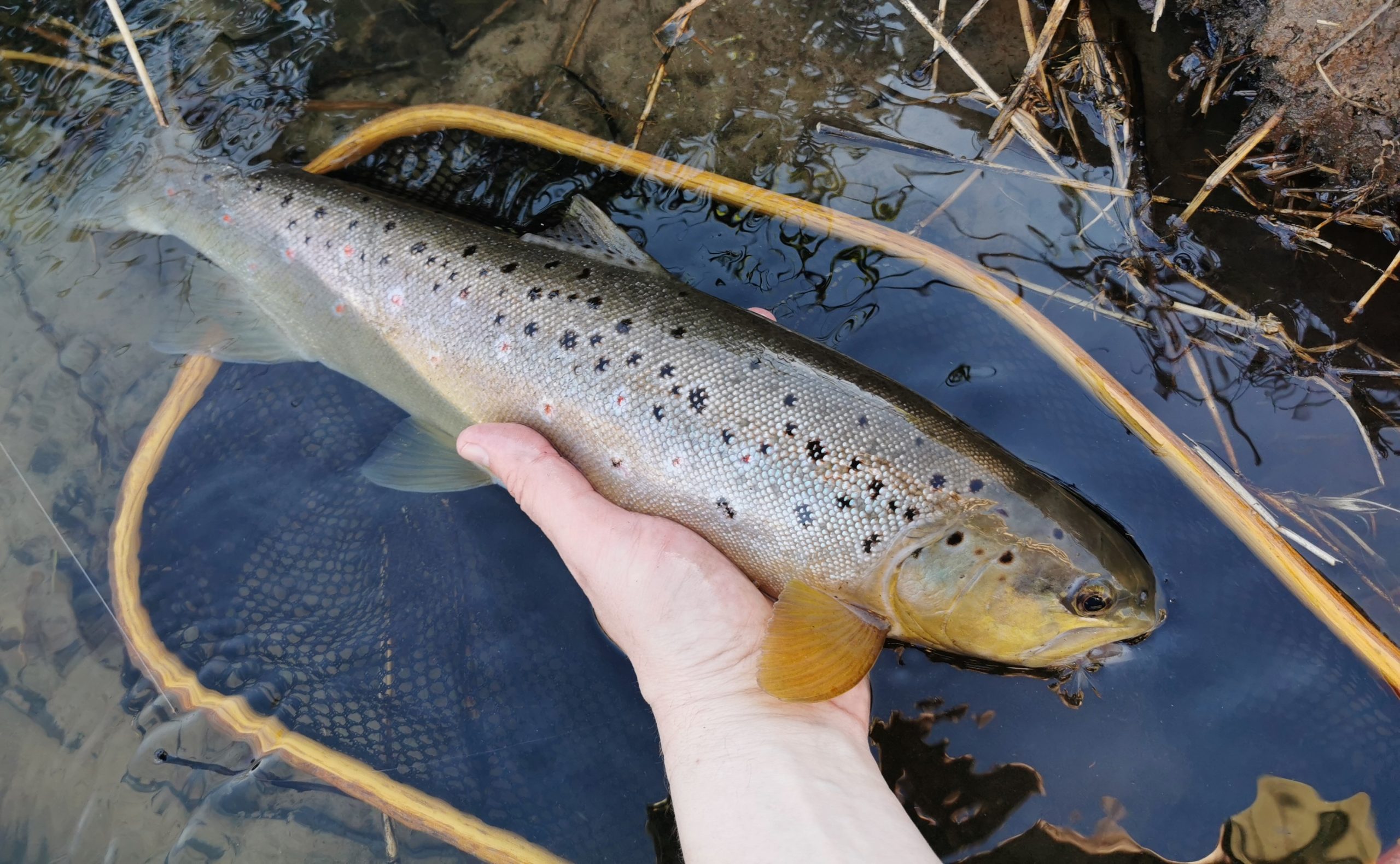
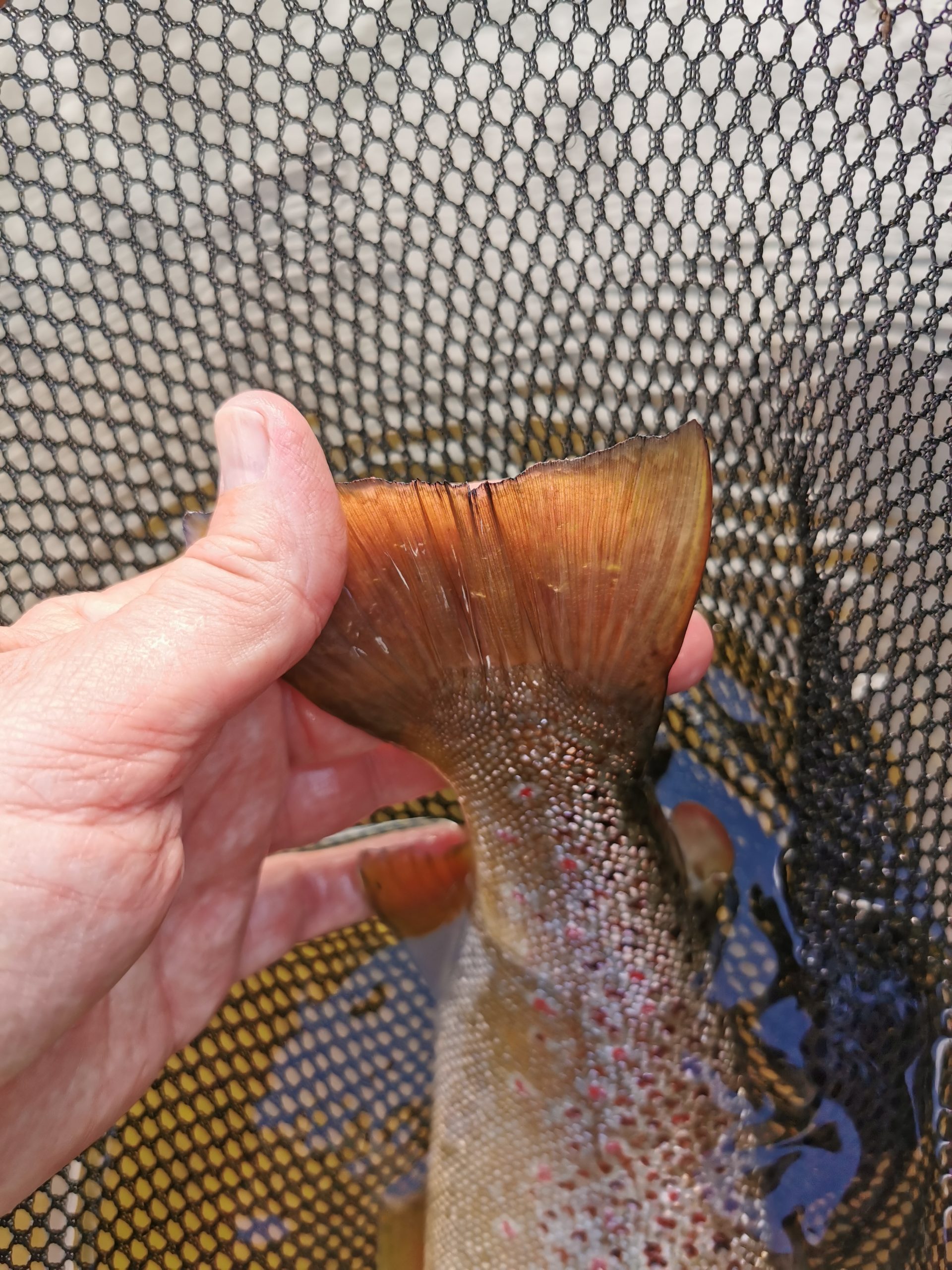
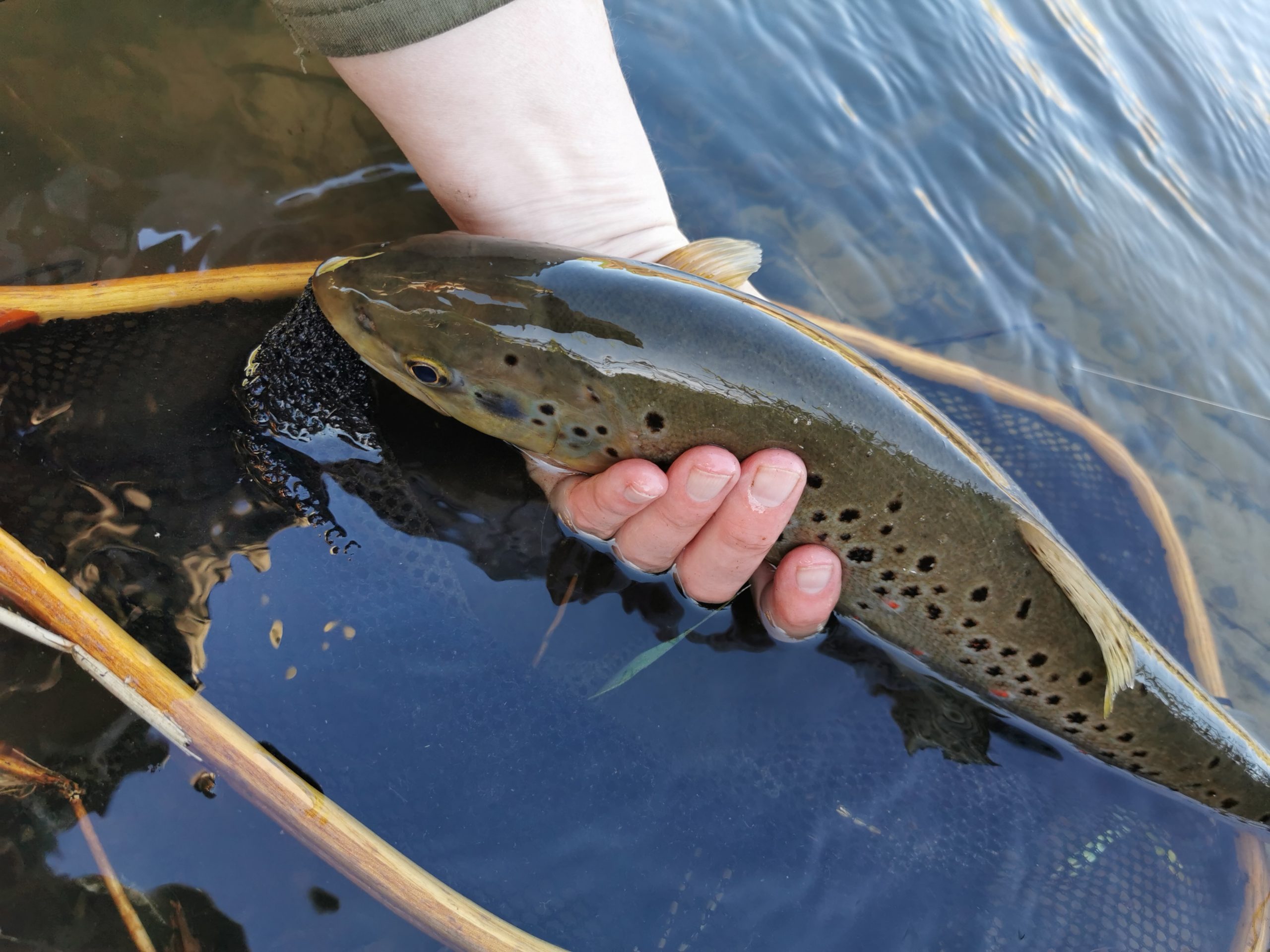
A little over three hours later, there was a spinner fall, and what I would normally consider impossible happened. Exactly at the same spot, a beautiful trout was sipping flies again. It was served the exact same universal fly as earlier in the day and confidently took it. This time, I was ready, the rust was gone, and I was completely focused on applying the right pressure and keeping a close eye on all the obstacles in and around the river. After about 10 minutes, I was able to land a 51 cm brown trout. What a relief, and absolutely unbelievable if it was the same fish that had run off with my fly and tippet earlier in the day.
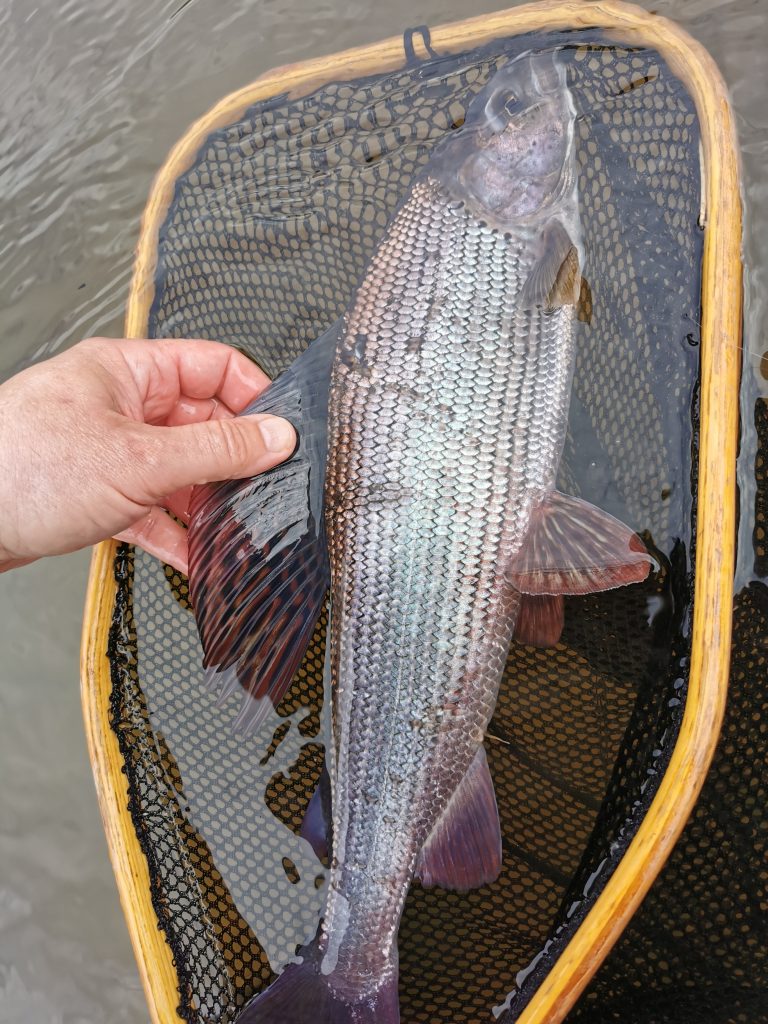
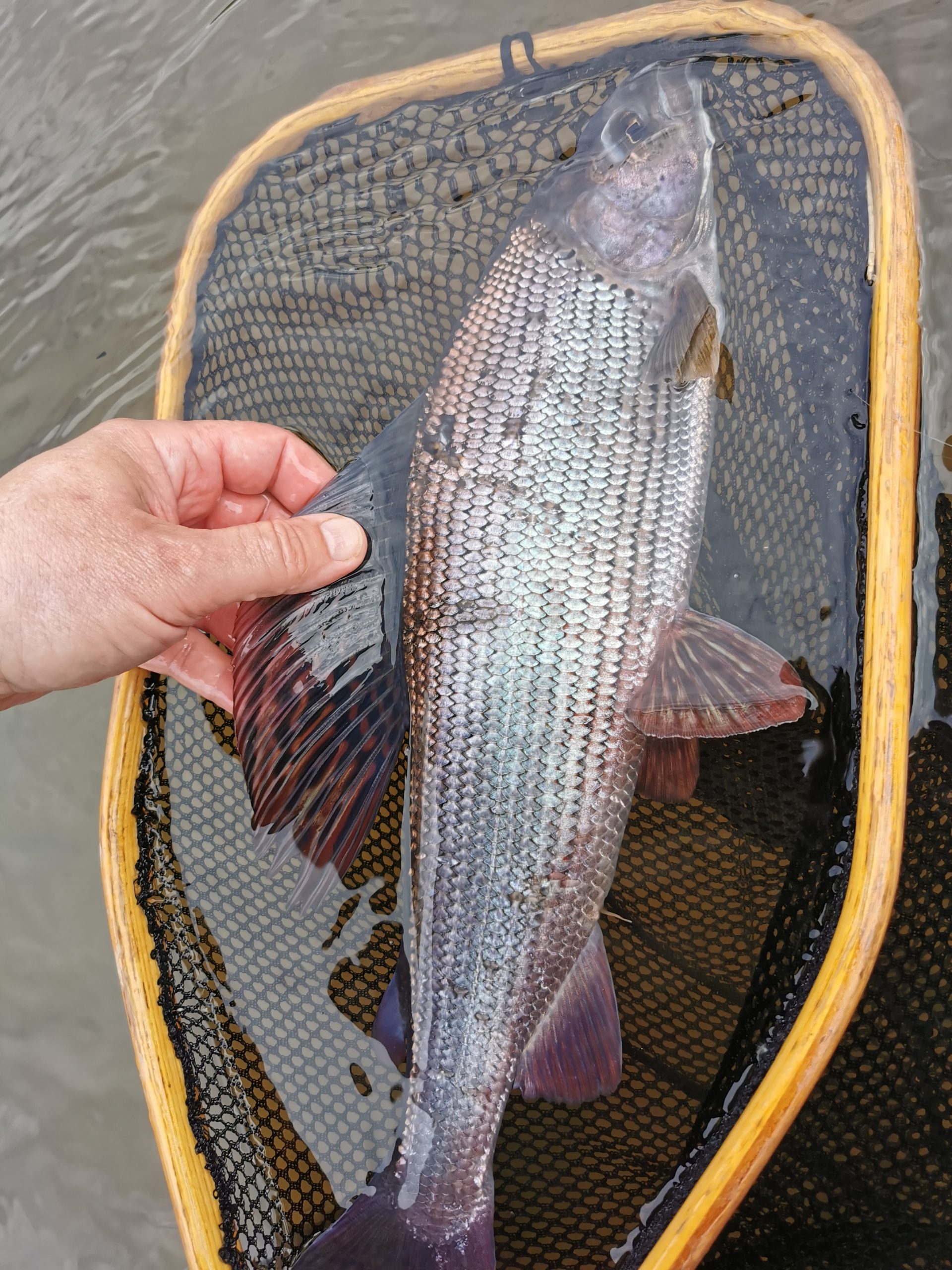
The river was completely silent for a while after this event, but this day was something really special in terms of insects. The evening brought a massive hatch of a smaller species of sedge flies, hatching in open water. It was possibly the sandfly. Suddenly, there were active fish both upstream and downstream. Darkness crept in, but I just managed to land a beautiful 43 cm grayling after sunset, and the day was perfect in every way.
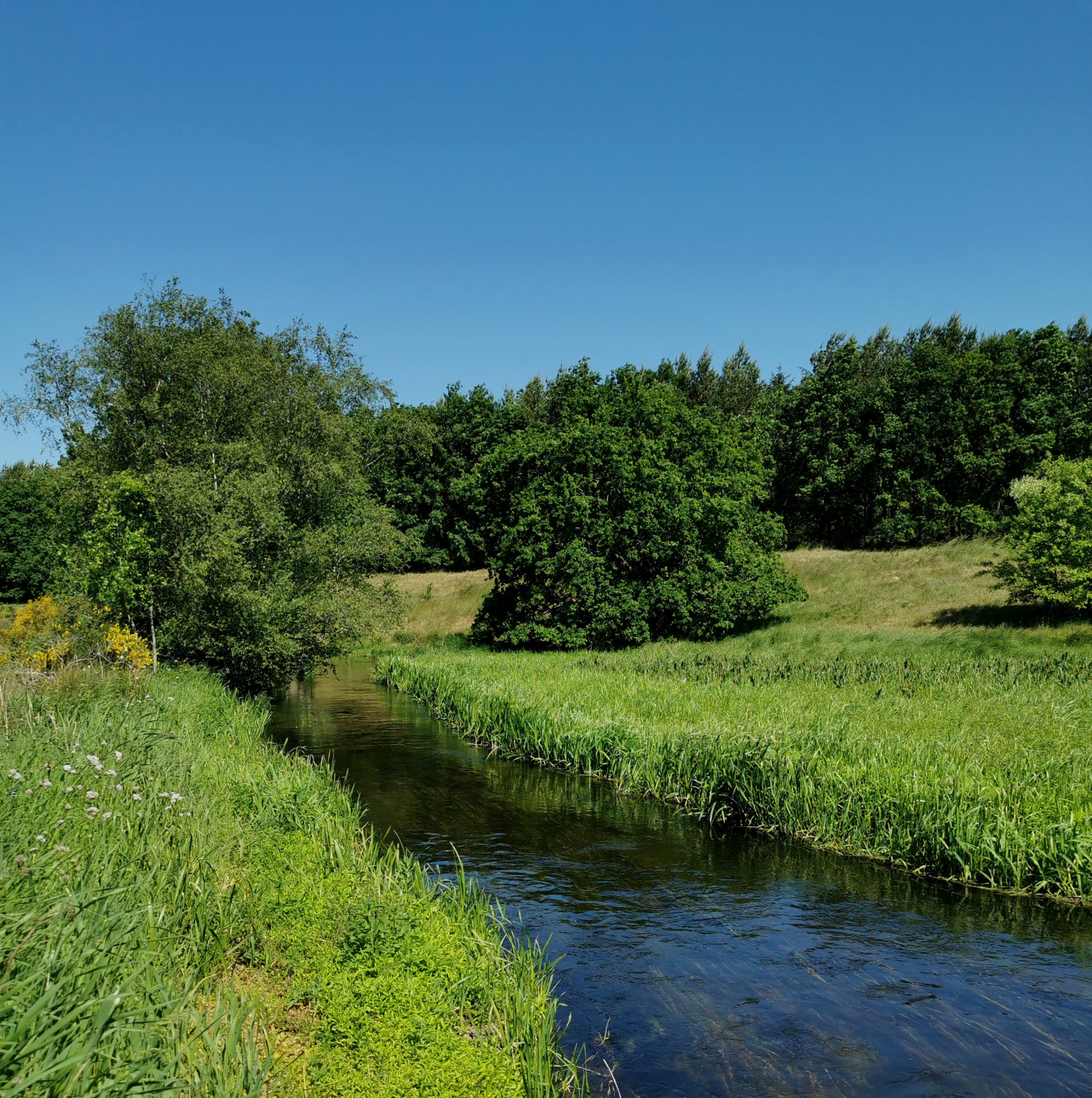
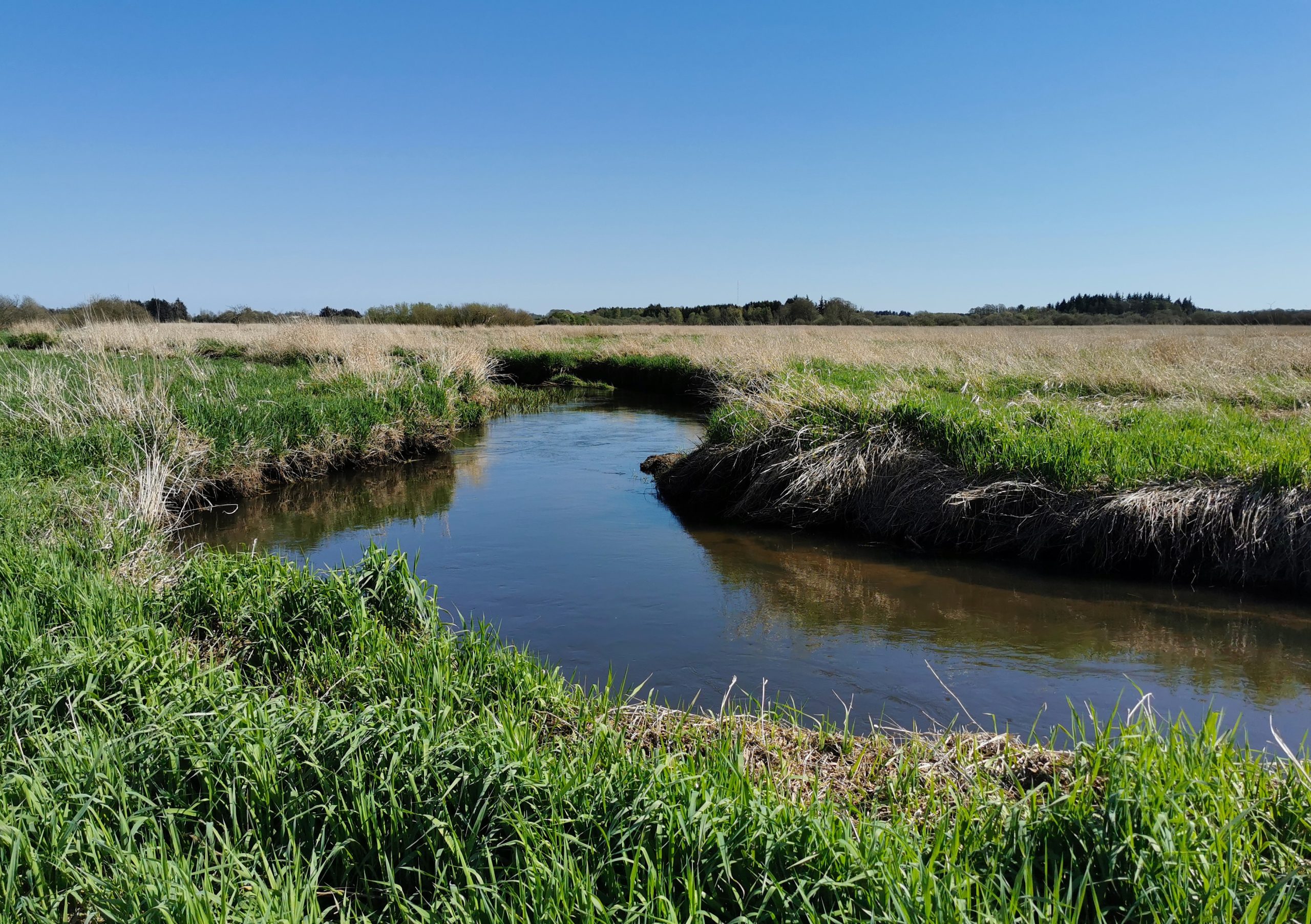
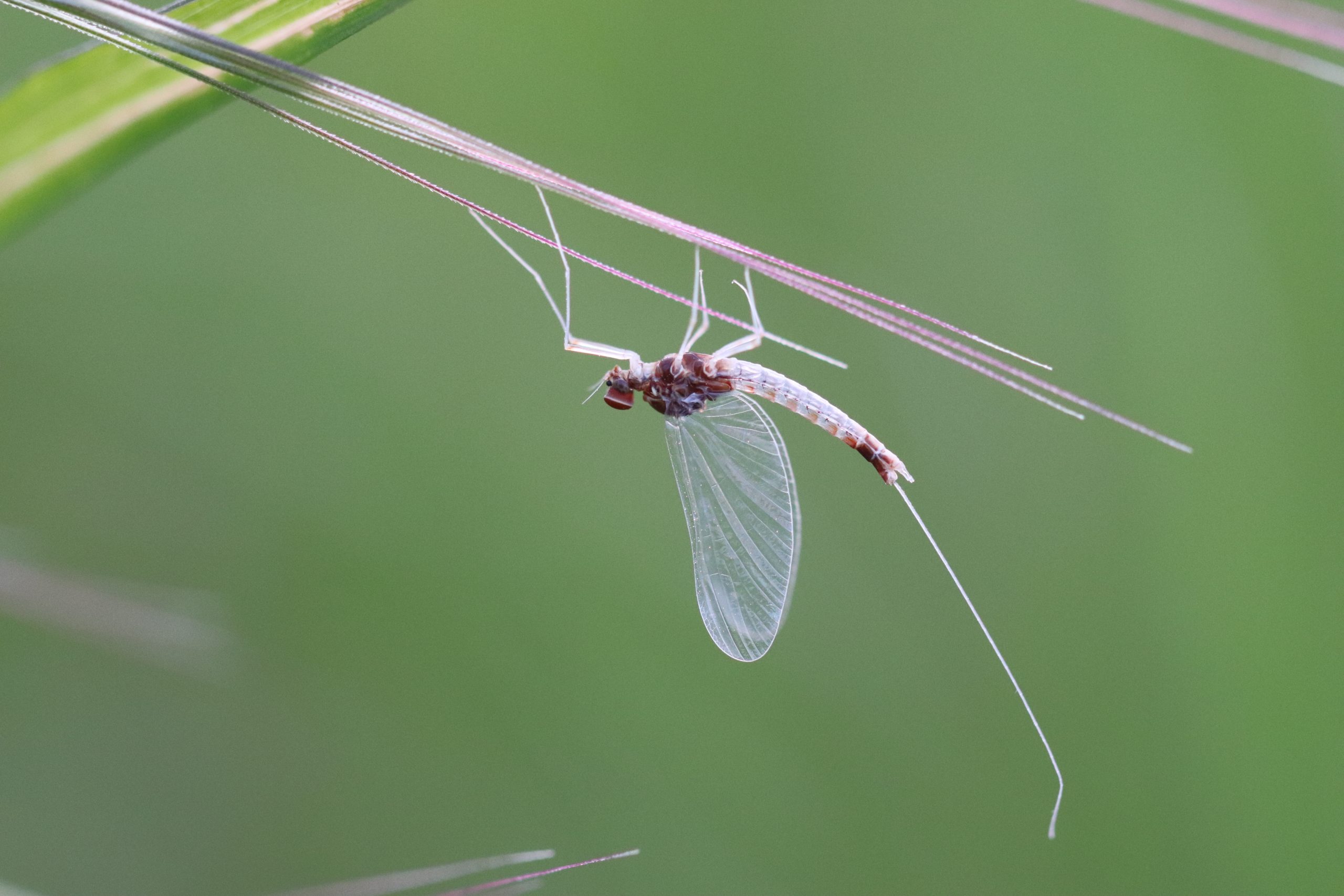
On May 10th, I was once again at my little stream, which had now transformed into something that could resemble a paradise for a dry fly angler like me. The green reeds along the banks had taken hold well. The kingfisher passed by my lookout several times, low over the river’s surface, flying with its characteristic speed. New insects had also arrived. Yellow Mayflies were hatching here and there. There weren’t many, but they came steadily, in what the English would call a ‘trickle hatch.’ The beautiful sulfur-yellow mayfly mingled with the ‘Yellow Sally,’ an occasional Danica, and many other wonderful insects, but the most numerous were the Rhodani, or ‘Large Dark Olive,’ as it’s also known. Therefore, my Parachute Rhodani once again proved to be the lucky fly of the day, with a couple of beautiful spotted trout on its conscience.
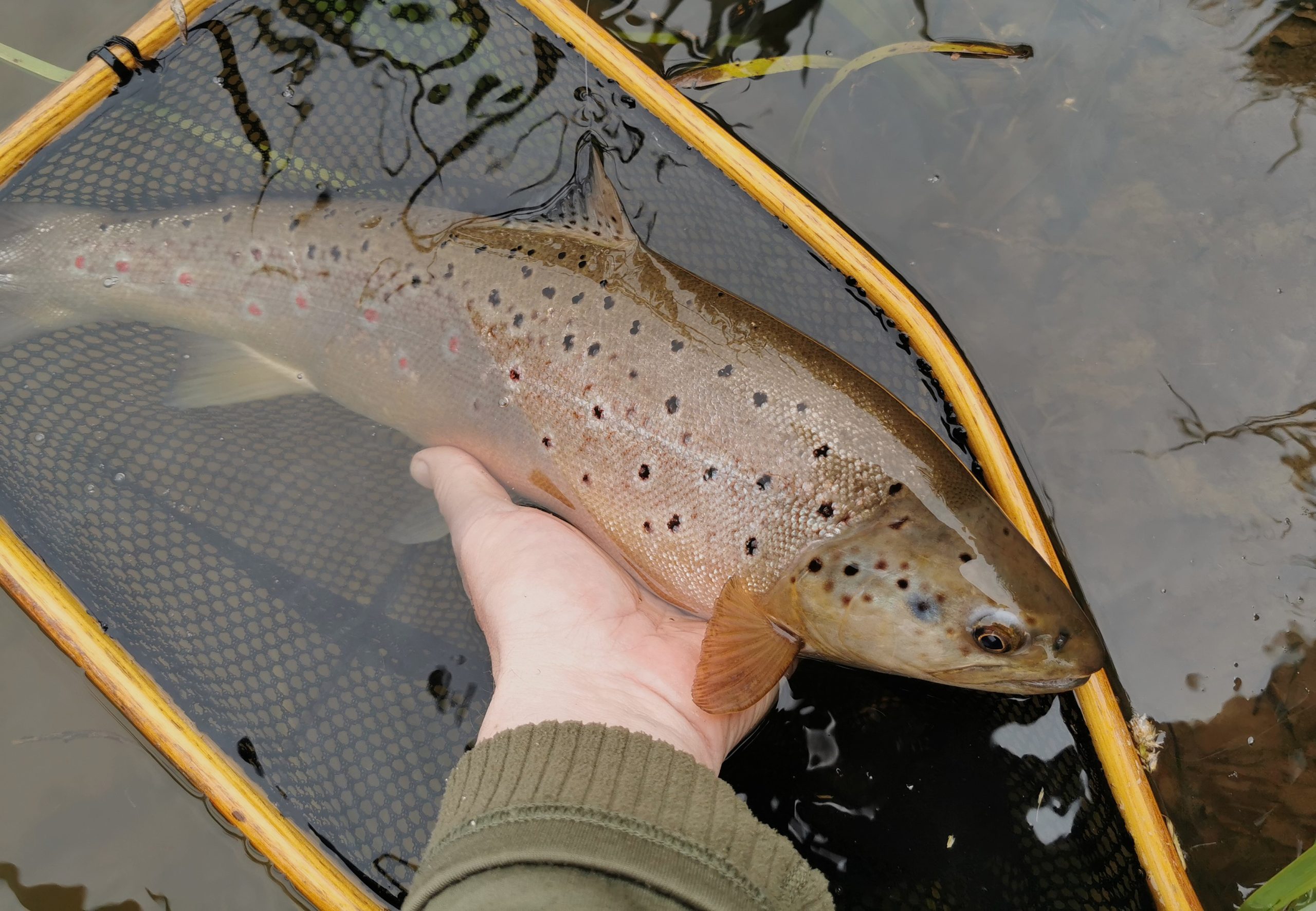
The fish that provided the most entertainment and gave me the widest smile was a fat 40 cm trout. It was sipping flies half-under a bank and required a slightly tricky cast. There is nothing like a fish you truly feel you’ve earned.
May 14th it came. The famous shift to the iconic Mayfly fishing. On the lower parts of the river, it was even earlier. It has always been like this. But something was new. The Mayflies were early this year, and the trend was the same as last year. I actually didn’t realize it was a Mayfly day until my phone beeped with a message from Jens, which read as follows: ‘The first of the year on the Mayfly. 38 cm,’ followed by two smiley faces. The hatches increased throughout the afternoon, and fortunately, I also caught my first Mayfly fish, with more to follow.
The evening was cool and a whole different ‘story.’ As a rule, dry fly fishing ends in the evening when the tip of your nose gets cold. The insects get cold and settle in the vegetation, but it does happen that a few trout or grayling are still ‘on the fins’ and pick up the leftovers from the river’s dark surface. There was no spinner fall, and I had almost given up on finding more active fish. I had also started to freeze a little in my too-thin sweater when I spotted another promising rise, sheltered behind a bush, only five meters from my lookout. The fish took my fly when it lay optimally in its feeding lane, after just two casts. Wonderful!!! It was a truly strong trout that took several good ‘runs’ before it was ready for a landing in my net. It was one of the most beautiful fish I had seen in a long time. The measuring tape said 45 cm, and it had a condition factor from another world. A sight to behold.
May 18th was overcast all day, and it turned out to be excellent hatching weather. There was plenty of duns from 3 PM to 7 PM, and thus it became an exciting afternoon at the river, where I was spoiled with a magnificent 45 cm grayling and a beautiful 46 cm trout. The Mayfly fishing was still in its first week, and the fish were very eager, sometimes almost frantic. There was no spinner fall yet, which I naturally hadn’t expected so early in the season.
The days from May 18th to 27th have, to say the least, been challenging. The wind has been harsh. It has rained quite a bit, and the evenings, especially, have been unusually cold. Mayfly duns and other relevant species could certainly hatch under the described conditions, but the big spinner falls have been absent. Every season is, of course, different, and this year has involved a lot of waiting. The spinners have been slow to arrive, but today, May 27th, I believe it’s turning, as the weather gods have ensured calm winds and warm weather for tomorrow. I am a born optimist, and I look forward to each day during this time of the year.
Latest in the fly tying world according to Michael Olesen

Michael Olesen’s Yellow May and the Last Cast I usually associate Yellow May with spring and as a kind of prelude to the mayfly season,

Michael Olesen’s Spring becomes summer, fragments from a diary April 2nd. The gear was packed, and I went to the river. It was the first

Tying Guide: How to tie Michael Olesen’s Danica Dun Hook: Maruto d21 size 10 Thread: Classic Waxed 12/0 from Semperfli, primrose for the abdomen and

Michael Olesen’s September Sedge-fun On the road, heading towards Jutland, the stream is already on my mind. Is there shelter behind the trees? Should I

Michael Olesen’s Postcard from Danica Land The mayfly fishing is always worth the wait, but this year the wait wasn’t so long. The iconic insect

EOS European Outdoor Show in Verona EOS Verona 2024 Photos by Lorenzo Mangini & Margrethe Olesen Italians have it all; the best cuisine in the
Don’t miss any articles or news. Get the latest updates via email. Don’t miss out, you might end getting hooked.
Any time you may unsubscribe. (Not active)